In a nutshell
- 🍋 Citric acid power: Lemon juice chelates mineral deposits and dissolves limescale and soap film in about 30 seconds, while rind oils cut grease; add a pinch of salt or bicarbonate for gentle micro‑abrasion.
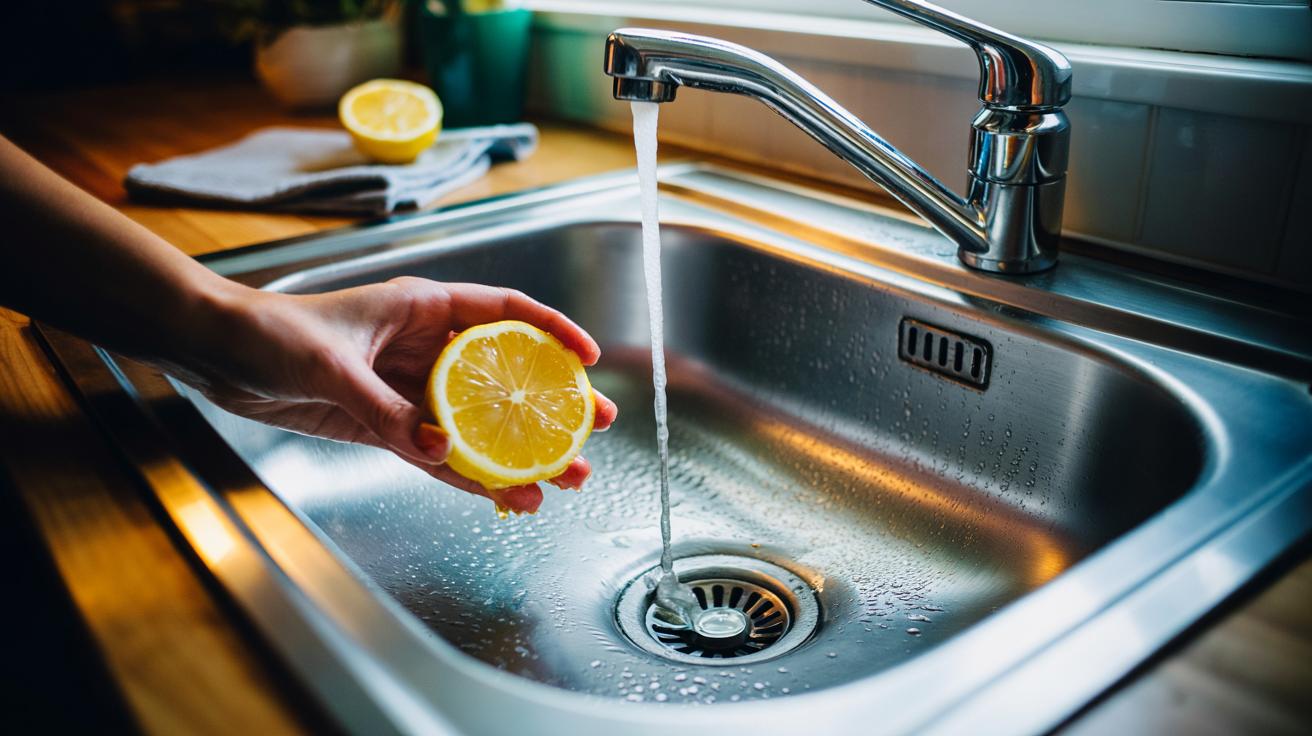
- ⚡ Fast method: Halve a lemon, rub with the grain, target the plughole and edges, then hot rinse and microfibre buff for a streak‑free shine.
- 🛡️ Safety first: Never mix with bleach, keep contact brief, and rinse well; patch‑test delicate finishes and avoid natural stone that can etch.
- 🧩 Surface guide: Works on stainless steel and glazed ceramic; short contact on enamel; caution with composite and unlacquered metals; no for marble/limestone.
- 🌍 Eco‑smart benefits: Low‑cost, low‑waste shine that deodorises sinks; note it reduces microbial load but is not a disinfectant; a tiny dab of olive oil can extend the hydrophobic finish.
If your sink has lost its sparkle, the remedy might already be in your fruit bowl. A simple lemon can cut through the grey film that makes stainless steel, ceramic or enamel look tired, and it does it fast. In British kitchens, where hard water breeds limescale and tea stains, this trick feels almost miraculous. Slice a lemon, swipe, rinse, buff. Job done. In around 30 seconds the dullness loosens, lifts and leaves a clean, bright sheen. It’s frugal, low-waste and smells like you’ve actually done the washing-up properly. Here’s the science, the method, and the caveats that keep your shine streak-free and your fixtures safe.
Why Lemon Lifts Dullness in 30 Seconds
The magic lies in citric acid, the fruit’s naturally low pH agent that rapidly dissolves the alkaline minerals in limescale and the soap residues that make a clean sink look grubby. Calcium and magnesium salts bond to the surface; citric acid chelates them, breaking the grip within moments. That’s why a dull film appears to “melt” as soon as the juice touches it. This is chemistry doing the heavy lifting, not elbow grease. The lemon’s gentle acidity is strong enough for the job, but mild enough to avoid the harshness of commercial descalers on everyday stainless steel.
There’s a second boost hiding in the peel. Lemon rind releases essential oils, including limonene, which cut through greasy fingerprints and leave a faint, hydrophobic finish. That finish makes water sheet away rather than bead and dry into spots. For light tarnish, a halved lemon alone can restore clarity. For stubborn build-up, sprinkle a pinch of fine salt or bicarbonate of soda onto the cut face to add a non-scratching mechanical edge. Use a delicate touch—let chemistry and micro-abrasion, not force, create the shine.
Time matters. The acid needs contact, but not an overlong soak. Thirty seconds of active wiping is usually enough for routine dullness. Extended dwell times are only necessary for heavy scale, and even then you should test and watch. Rinse thoroughly to neutralise any residual acid and prevent water marks re-forming.
Thirty-Second Method: Step-by-Step
Start clean-ish. Flick away crumbs and rinse the basin so grit doesn’t cause scratches. Halve a fresh lemon. For extra grip and juice flow, score the cut face lightly with a knife. For the fastest result, rub with firm, even strokes while squeezing gently to release juice. Work with the grain on stainless steel. Edges and around the plughole collect most of the film—hit these first for a visible win.
Now the clock. Spend 15–20 seconds sweeping the bowl, another 5–10 seconds on the tap base and overflow lip. If you see chalky halos, pause the wiping right on those spots for a slow three-count. You’ll notice the surface brighten almost instantly. For a glossy finish, rinse with hot water to lift away loosened residue. Then buff dry with a microfibre cloth. That buff is the secret to the “new sink” look. It evicts moisture that could otherwise dry into spots and aligns the steel’s appearance.
Got heavy limescale? Press a lemon slice onto the deposit and leave it no longer than two or three minutes, checking every 30 seconds. Re-wipe, rinse, buff. If needed, repeat tomorrow rather than overdo it today. Never mix lemon with bleach; acids and hypochlorite release dangerous chlorine gas. If you’ve recently bleached, flush thoroughly with water, then wait before using any acidic cleaner.
Surface Compatibility and Pitfalls to Avoid
While lemon is gentle compared with many cleaners, not every surface loves acid. Stainless steel and glazed ceramic are generally safe. Composite or natural stone needs caution. Plated finishes can be fragile. The rule is simple: if in doubt, patch-test in an inconspicuous spot, keep contact brief, and rinse well. Acid etching is permanent; prevention is cheaper than a new sink. Use a soft cloth, not a scouring pad, and keep motion with the metal grain to minimise micro-scratches that catch the light.
Here’s a quick reference you can keep near the caddy:
| Sink/Fixture Material | Lemon-Safe? | Notes |
|---|---|---|
| Stainless steel | Yes | Brief contact, rinse and buff; work with the grain. |
| Glazed ceramic | Yes | Great on tea stains; avoid chipped areas. |
| Enamelled cast iron | Generally | Short contact only; rinse thoroughly to preserve gloss. |
| Composite granite/quartz | With caution | Test first; some resins dislike acids. |
| Natural stone (marble/limestone) | No | Risk of etching; use pH-neutral cleaners. |
| Brass/copper (unlacquered) | With care | May alter patina; rinse and dry immediately. |
Two common pitfalls: leaving juice to pool under the tap collar, and scrubbing grit into the finish. Wring a cloth to capture drips, then dry crevices. If you smell bleach, stop—flush with lots of water before any acidic product touches the surface. Keep a separate cloth for buffing to avoid streaks, and retire it when it gets waxy from oils.
Smart Upgrades: Smell, Germs, and Sustainability
The lemon’s benefits go beyond the shine. It’s a credible deodoriser. Run the cut face around the plughole and the splash zone, then rinse; that knocks back the biofilm that feeds odours. A quick squeeze into the drain, followed by hot water, freshens whiffs from the trap. If you’ve a food waste disposer fitted, citrus peel can brighten smells, though check your manufacturer’s advice. Citric acid reduces microbial load but it’s not a disinfectant. For proper sanitising, use an approved product between food-prep sessions.
Cost and footprint also stack up well. A single lemon costs pennies in season and often does double duty: garnish tonight, cleaner tomorrow. Use the spent half, then compost it. Compared with bottled limescale removers, you skip dyes, perfumes and extra plastic. In UK hard-water hotspots—from Essex to the West Midlands—this quick intervention avoids the weekly slog of heavy descaling by preventing build-up before it crusts.
Want a little extra gleam? After the lemon-and-buff, dab a drop of olive oil or a stainless-steel conditioner onto a cloth and lightly sweep the surface. It enhances the hydrophobic effect so water glides off, slowing the return of spots. Keep it minimal; a fingerprint magnet defeats the object. Little and often beats a heroic scrub on Saturday morning. A 30-second citrus swipe after the last wash-up keeps the sink looking professionally maintained.
In a world of complicated cleaners, the humble lemon earns its place by being fast, effective and pleasingly thrifty. Thirty seconds of smart contact time, a hot rinse and a brisk buff is enough to revive the sparkle most days, especially in hard-water homes. It smells like care, looks like effort and costs next to nothing. Simple chemistry, visible results. Will you keep a lemon by the sink this week and see how quickly it lifts that film—then decide whether this citrus ritual deserves a permanent spot in your cleaning routine?
Did you like it?4.6/5 (22)