In a nutshell
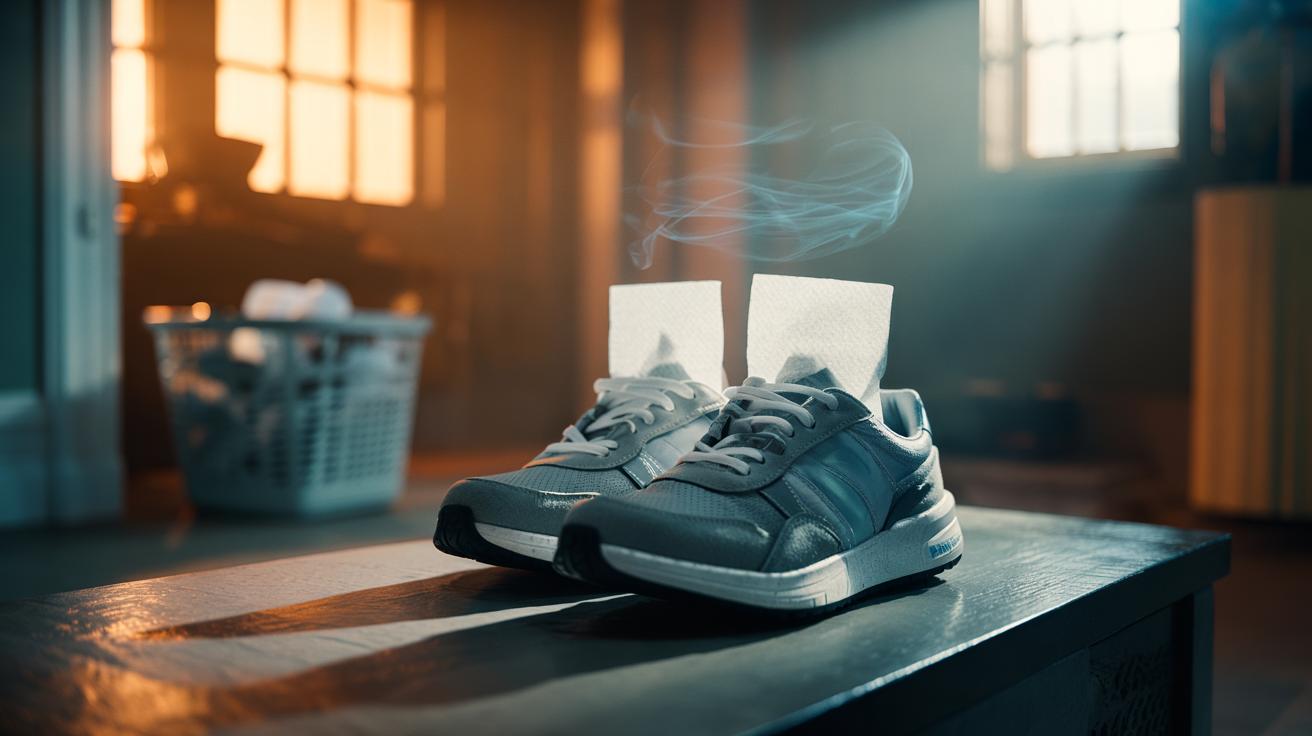
- ⏱️ Slip a dryer sheet into each shoe for about 10 minutes to mute odours quickly—a rapid headspace reset rather than a deep clean.
- 🔬 Odour reduction works via adsorption of volatile compounds and scent substitution; nonwoven fibres and cationic softeners capture stink while releasing fresher notes.
- 🧰 Method: open laces, place a sheet in the toe box (and heel if space), leave 10–15 minutes; pick scented, lightly scented, or unscented sheets to match sensitivity and odour level.
- 🚩 If smells rebound fast, it’s deep contamination: wash or replace insoles, use bicarbonate of soda overnight, dry thoroughly, or add cedar shoe trees for shape and drying.
- 🧼 For lasting freshness, rotate footwear, wear breathable socks, avoid bagging damp trainers, and use antimicrobial treatments for fungal issues; keep dryer sheets as a quick, low-cost boost.
There’s an everyday fix hiding in the laundry cupboard that rescues smelly trainers and brogues before a commute or a night out. Slip a dryer sheet into each shoe and, in as little as 10 minutes, stale notes are noticeably muted and fresh top notes rise. It’s not magic. It’s materials science meeting smart fragrance delivery. Synthetic fibres act like tiny nets, while softening agents and scent reservoirs pick up volatile molecules from sweat and bacteria. The result is fast, practical relief. Think of it as a quick reset rather than a deep clean. For unexpected gym sessions, a damp day in boots, or a shared hallway, it’s a tidy, low-cost trick that earns its place.
Why Dryer Sheets Handle Shoe Odors Fast
Shoe odour is driven by volatile compounds released when skin bacteria digest sweat, especially in warm, low-vent spaces. Dryer sheets are built to corral and counter those volatiles quickly. Their nonwoven fibres present a large surface area, so airborne odour molecules bump and stick. The sheet’s coating—typically cationic softeners and perfume micro-reservoirs—helps trap anionic, sweaty notes while releasing a fresher scent that our noses read as “clean.” Add a small moisture-wicking effect and you slow the evaporation of stink-prone molecules. Ten minutes is often long enough because early-stage odour is mostly about headspace, not deep contamination. Ten minutes gives you a noticeable reset without dismantling the shoe. Importantly, the sheet sits where it matters: right in the toe box and heel cup, the hotspots of microbial activity and stale air. That proximity boosts contact, which boosts effect. You won’t sterilise insoles, but you will tame the bouquet that makes you hesitate before lacing up.
Consider airflow. Shoes trap exhaled volatiles like a jar. Placing a sheet creates a small, scented sink for escaping molecules, so each minute improves the balance of what you smell. The result is a short-term but convincing improvement—a kind of odour triage that buys you time before a thorough wash or airing.
Step-by-Step: The 10-Minute Method
Start with shoes that aren’t soaking wet; the sheet works best on damp or dry interiors. Open laces wide, lift tongues, and give the shoes a brief shake. Insert one dryer sheet per shoe, folding it to cover the toe box and touching the insole. If space allows, add a second half-sheet at the heel. Leave them for 10–15 minutes. For trainers, gently compress the upper to push air through the insole foam. That encourages faster exchange and better pick-up of volatile odours. When time’s up, remove and bin the sheets. Do not rely on this trick to disinfect—odour reduction isn’t sanitation. If the smell rebounds instantly, rinse insoles or air the shoes longer and repeat once they’re drier.
Choose a sheet that suits your tolerance for fragrance. Strongly scented options mask better but may clash with leather notes. Unscented or lightly scented variants control headspace without the perfumey tell. Avoid coloured sheets on delicate linings if you’re nervous about transfer; it’s rare, but caution costs nothing. Below is a quick guide to help you pick.
| Sheet Type | Best For | Approx. Time | Pros | Caveats |
|---|---|---|---|---|
| Scented | Strong gym odours | 10–15 mins | Powerful masking; fast perceived freshness | Fragrance may linger or clash |
| Lightly Scented | Daily wear, office shoes | 10 mins | Balanced freshness; subtle | Less coverage for heavy odours |
| Unscented | Fragrance-sensitive users | 10–20 mins | Reduces mustiness without scent | Minimal masking effect |
| Plant-Based | Eco-leaning households | 10–15 mins | Gentler formulas | Performance varies by brand |
What’s Really Happening in Those Ten Minutes
Two mechanisms are at play: adsorption and scent substitution. Adsorption is the “stick to the surface” phenomenon. Dryer sheets present a fine mesh of fibres and waxy softeners that catch odorants as they waft from warm insoles. Scent substitution is the carefully engineered fragrance release you notice immediately; top notes dominate the air while the malodour’s signal weakens. Surface area is everything: more sheet-to-air contact equals quicker odour knockdown. That’s why a gently folded sheet—exposing ridges and edges—often beats a tightly crumpled ball.
Humidity matters. A slightly humid shoe amplifies odours, but the sheet’s coating can slow evaporation and capture more molecules early on. In contrast, a soaked lining traps smells within water and foam, limiting headspace capture; you need drying first. The chemistry is simple but effective: cationic agents bond weakly with acidic and sulphurous notes, fragrance molecules fill the gap our noses perceive, and the nonwoven web acts like a temporary filter. The flip side? It won’t penetrate foam or kill fungi. It’s a headspace solution—great for now, not a cure-all. Think of it as crisis management that complements, rather than replaces, cleaning and proper drying.
When to Choose Another Tactic
If odour roars back within minutes, you’re dealing with deep contamination in the insole or lining. Remove insoles and wash per care label; sprinkle a teaspoon of bicarbonate of soda overnight for adsorption that works while you sleep. Cedar shoe trees help by drying and lightly perfuming leather; they also preserve shape. For sports shoes, periodic machine washing of removable insoles can reset the baseline. Persistent, vinegary notes may flag bacteria-laden moisture trapped in foam; thorough drying with newspaper or a boot dryer works wonders. Recurring, sharp odour after brief use often signals moisture management, not a fragrance problem.
Consider hygiene. If athlete’s foot or toenail fungus is in the mix, a dryer sheet won’t touch it. Opt for antimicrobial sprays approved for footwear or UV shoe sanitisers, then return to the 10-minute sheet trick for between-wash freshness. Rotate shoes to allow a full day of drying, wear breathable socks, and avoid sealing damp trainers in gym bags. The sheet stays a stellar pinch-hitter—fast, cheap, discreet—but the season’s champions are airflow, drying time, and clean insoles.
In a rush, dryer sheets deliver a nimble, nose-pleasing assist, clipping the worst edges off stale trainers or long-day loafers in a single tea break. The science is humble but handy: catch the volatile culprits, shift the headspace, and buy yourself time until proper drying or washing. Use the trick with intent—10 minutes in, sheets out—and pair it with rotation and care for long-term wins. If your shoes could talk, would they ask for a quick sheet now, or a deeper reset tonight—and how will you decide which they need today?
Did you like it?4.5/5 (27)