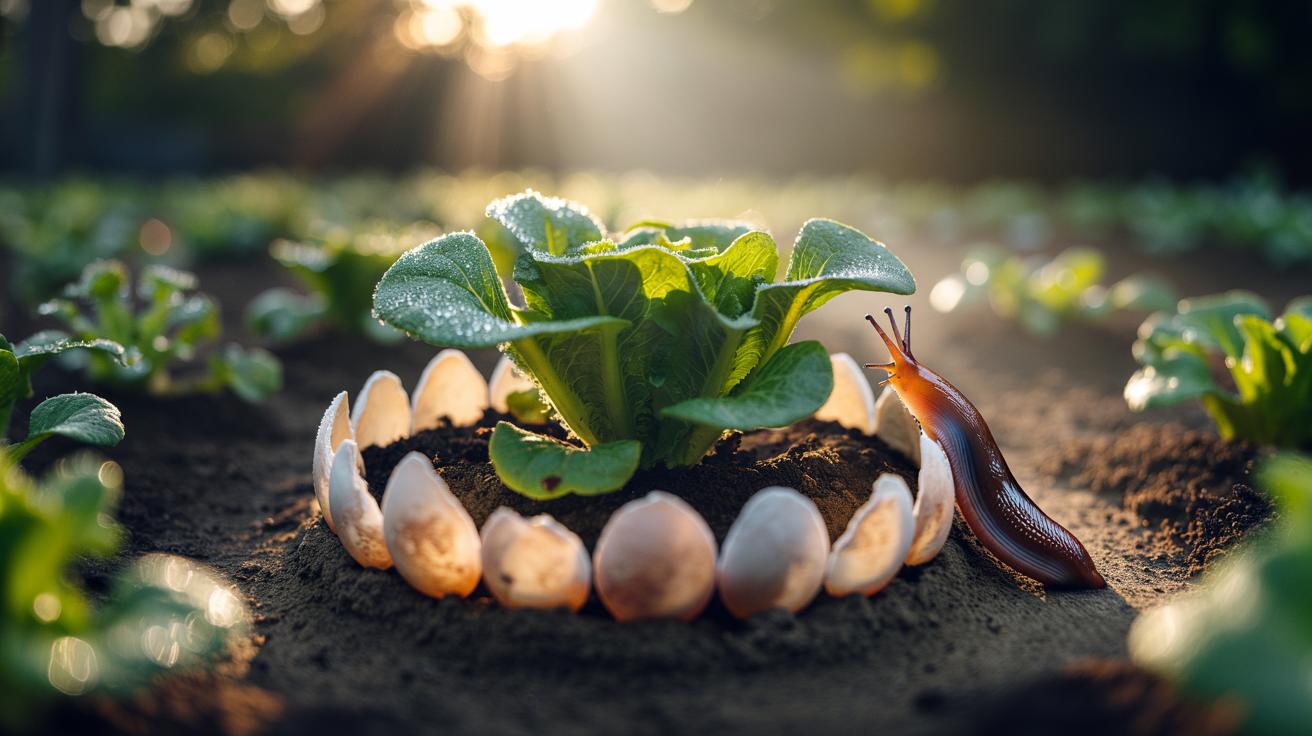
In a nutshell
- 🐌 Eggshell barriers deter slugs and snails by creating an abrasive, moisture-sapping surface; it’s a humane deterrent, not a bait, and works best when kept dry and sharp.
- ⏱️ Fast prep: rinse and de-membrane shells, bake at 120–140°C for 10–15 minutes to sanitise, then crush to 2–6 mm coarse grit and store airtight.
- 🛡️ Precise application: lay a continuous 5–8 cm ring on a dry surface with no leaf “bridges,” refresh after rain, and combine with copper tape or wildlife-safe traps for prized plants.
- ⚠️ Safety and limits: wear gloves and avoid dust; shells add only modest calcium and won’t fix pH or blossom end rot—focus on seedlings, hostas, lettuces, and other high-risk crops.
- 🌿 Eco-friendly IPM: upcycle kitchen waste, avoid plastics, and support allies—hedgehogs, frogs, ground beetles—for a balanced, chemical-free defence.
Slug-damaged hostas. Nibbled strawberries. Trails glistening on the patio at dawn. If that sounds familiar, you’re not alone. Gardeners across the UK are turning to eggshells for a quick, low-cost defence that sits comfortably with a wildlife-friendly ethos. The trick is simple: create a natural barrier that soft-bodied pests would rather not cross. You can do it in minutes, using kitchen scraps you’d otherwise bin. Think of it as microplastic-free grit that doubles as a slow-release soil conditioner. Here’s how and why it works, where it doesn’t, and the neat steps to get a tidy, effective ring of protection around your most vulnerable plants.
Why Eggshells Work as a Pest Barrier
At the heart of the method is texture. When crushed correctly, eggshells form a collar of sharp, irregular edges that feel hostile to slugs and snails. Their soft bodies lose crucial moisture on abrasive surfaces, so they avoid the gauntlet. This is a barrier, not a bait: it deters rather than kills, which aligns with nature-first gardening. That matters in small urban plots and cottage gardens alike, where chemical pellets feel like overkill and the hedgehogs do your night shift patrolling.
Composition helps too. Eggshells are primarily calcium carbonate. Over time, in living soil, they weather into a modest calcium source. Don’t oversell it: they won’t turbocharge growth, and they won’t sweeten soil overnight. The barrier effect is the main story. Yet there’s a pleasing circularity in turning breakfast leftovers into a protective mulch that quietly feeds the bed in the long term.
Honesty check. Research on slug behaviour is mixed, and results vary with weather and pest pressure. Rain blunts edges. Dense foliage bridges gaps. Keep the shells dry, sharp, and refreshed after downpours, and you’ll stack the odds in your favour. It’s a modest tool in a wider toolkit, shining brightest where numbers are manageable and you’re vigilant.
Preparing and Sanitising Eggshells in Minutes
Speed matters, but so does hygiene. Rinse empty shells promptly to remove albumen, then peel away as much membrane as you can; it’s the sticky bit that makes shell clump later. Spread the halves on a tray and pop them into a low oven at 120–140°C for 10–15 minutes. They’ll dry, the last of the membrane will crisp, and any lingering bacteria will be neutralised. A quick bake also prevents odours that might attract rodents to your compost area.
Now for the texture. You’re aiming for coarse grit rather than powder. Too fine, and you lose the abrasive edge; too chunky, and gaps appear. Use a rolling pin inside a tea towel, or a mortar and pestle, pulsing to mixed shards of 2–6 mm. That jagged profile is your friend. Store the crushed shell in an airtight jar in a dry shed, so a sudden shower doesn’t turn it to sludge before you even deploy it.
If you’re generating shells slowly, keep a freezer bag by the sink and add rinsed halves through the week. When you’ve got a dozen or so, bake in one go. Dry shells crush cleaner, spread better, and last longer on the soil surface. It’s a small routine that slips neatly into everyday life, helping you build a reliable stash just when seedlings are most vulnerable in spring.
How to Lay a Protective Eggshell Ring
Timing first. Apply on a dry day, ideally in late afternoon when soil has warmed and surfaces are crisp. Weed around the plant, water if needed, then let the top centimetre of soil dry for an hour; damp grit sticks less and forms a neater ring. Now pour a band of crushed eggshell 5–8 cm wide around each stem, maintaining a continuous moat with no bridges from leaves or mulch. Continuity is everything: one safe plank, and slugs will take it.
Refresh the ring after heavy rain, and sweep away any fallen petals or leaves that span the barrier. Combine with good habits: lift pots on feet, prune ground-touching foliage, and remove hiding spots such as stacked trays or boards. For prized lettuces or strawberries, double up with copper tape on pots or place wildlife-safe beer traps a metre away to intercept night traffic.
| Pest | Shell Form | Placement | Notes |
|---|---|---|---|
| Slugs | Coarse shards (2–6 mm) | 5–8 cm ring | Refresh after rain; remove leaf bridges |
| Snails | Mixed grit | Pot rim or bed collar | Hand-pick hidden adults at dusk |
| Cats | Larger shards | Patchy surface layer | Discomfort discourages digging |
Aim for a crisp, visible boundary you can check at a glance during your morning circuit. That habit reveals problems early and lets you top up the collar in seconds, keeping the edge unwelcoming throughout the season.
Safety, Soil Benefits, and Smart Limitations
Handled sensibly, eggshell barriers are safe. Wear gloves when crushing to avoid nicks from the sharper fragments, and don’t inhale fine dust. If you keep dogs, the sanitising bake removes smells that might invite investigation, though most canines ignore inert shells. On soil health, expect a whisper, not a shout. Calcium trickles in as the shell weathers, giving tomatoes and brassicas a minor long-game boost, yet not enough to remodel pH or cure blossom end rot on its own. Think complementary mulch, not miracle feed.
There are limits. In a wet week, edges soften; in heavy infestations, pests simply reroute. Don’t ring every plant and hope. Triage instead: protect seedlings, salad crops, hostas, and young dahlias. Balance the approach with wildlife-positive tactics—encourage frogs, ground beetles, and hedgehogs with water, cover, and chemical-free beds. A tidy garden helps, but not too tidy; predators need places to live.
Environmental upside? It’s strong. You’re diverting waste from the bin, avoiding plastic-heavy products, and creating a barrier that returns harmlessly to the soil. Still, be pragmatic. Use eggshells as part of integrated pest management, pairing them with hand-picking at dusk and barriers on high-value pots. The result is resilient protection that respects your patch’s ecology while keeping precious leaves intact.
With a few rinsed shells, a warm oven, and a rolling pin, you can build a quick, attractive line of defence that fits a climate-conscious garden. It’s frugal, tidy, and flexible, helping you protect tender crops without resorting to pellets or plastic. Keep the shells sharp, the rings continuous, and your eyes open after rain. That’s the formula. If you try it this week, which plant will you safeguard first—and how will you combine eggshells with other gentle tactics to make the defence truly bulletproof?
Did you like it?4.5/5 (22)