In a nutshell
- 🌱 Slow-release fertiliser: Banana peels supply potassium, calcium, and phosphorus via microbial breakdown, steadily boosting blooms, water balance, and the soil microbiome without salt spikes.
- 🧪 Not a complete feed: Peels are low in readily available nitrogen; pair with compost or a balanced fertiliser, and expect gradual benefits over weeks, not overnight transformations.
- 🛠️ Smart application: Chop-and-bury 1–2 cm pieces 5–8 cm deep, compost peels for cleanliness, use slurry sparingly in pots, and avoid smelly, anaerobic “peel tea”; burying deters pests and odours.
- 📊 Measure results: Run a side-by-side test to track flowering, leaf turgor, and watering intervals; gains depend on warmth and microbial activity, and peels won’t fix poor drainage or compaction.
- 🌹 Great for K-loving crops: Roses, tomatoes, and chillies respond well—work peel-rich compost in spring and top up mid-summer to strengthen resilience and long-term soil health.
Banana peels, once destined for the bin, have become a quiet star of climate-savvy gardening. Packed with plant-friendly minerals and broken down gently by soil life, they act as a slow-release booster that aligns with how roots actually feed. Not a miracle cure. A patient ally. Over weeks, not hours, the peel’s goodness moves into the rhizosphere where it feeds microbes and, through them, your plants. Used properly, banana peel is a clean, low-cost way to nudge healthier growth and sturdier flowering without resorting to synthetic salts. Here’s why it works, how to apply it safely, and what results you can realistically expect across a British growing season.
Why Banana Peel Works as a Slow-Release Fertiliser
Banana peel contains meaningful amounts of potassium alongside phosphorus, calcium, and trace elements. These are locked inside tough plant fibres—cellulose and lignin—that don’t dissolve instantly. Soil fungi and bacteria do the heavy lifting, slowly mineralising nutrients into forms roots can sip. That’s the secret. It’s not a flash flood of feed; it’s a drip. Potassium helps regulate water movement and stomatal function, so leaves cope better with heat and brief droughts. Calcium underpins cell walls, supporting disease resilience. Phosphorus supports root energy transfer. This measured release reduces nutrient spikes and helps keep delicate root hairs safe, especially in containers where overfeeding is common. In short, banana peel strengthens the plant’s day-to-day housekeeping rather than forcing a growth sprint.
| Component | What It Does for Plants | Release Pace From Peel |
|---|---|---|
| Potassium (K) | Improves flowering quality, water balance, and stress tolerance | Gradual, as microbes unlock K from tissues |
| Phosphorus (P) | Supports root growth and energy transfer | Slow, accelerated in warm, biologically active soils |
| Calcium (Ca) | Builds firm cell walls; helps disease resistance | Steady, linked to decomposition rate |
| Organic compounds | Feed the soil microbiome that feeds the plant | Continuous, as fibres break down |
There is a caveat: banana peel is not a complete feed. It’s typically low in readily available nitrogen. Pair it with green waste compost or a balanced fertiliser when crops are hungry—leafy salads, tomatoes, courgettes. Chop peels into small pieces to increase surface area, then bury or compost them so microbes can work efficiently and pests can’t. Think of peel as a potash-leaning supplement that enriches the soil ecosystem and complements, rather than replaces, your core feeding plan.
How to Use Banana Peels Safely in Pots and Beds
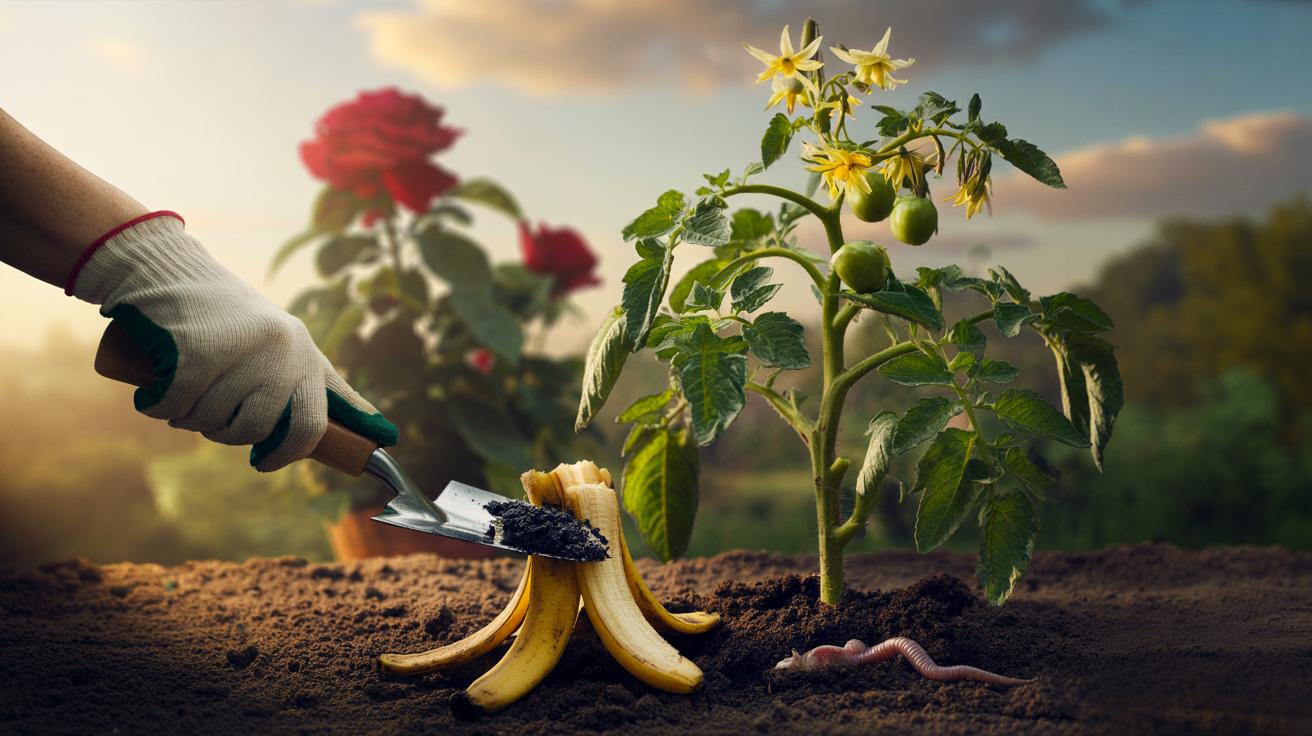
Start with the simplest method: chop-and-bury. Cut peels into 1–2 cm pieces, then tuck them 5–8 cm below the surface around established plants. In beds, scatter thinly; in pots, keep pieces small to avoid clumps that go slimy. Water in. Microbes take it from there. For seedings, go gentler—mix chopped peel through mature compost first, then use that blend. Do not leave raw peels on the surface indoors; they can attract fruit flies and create odours. Outdoors, burying also deters foxes, rodents, and inquisitive pets.
Making “peel tea” is popular, but be cautious. A jar of peels in water for days can turn anaerobic and rank, delivering little more than a whiff. If you try it, keep it short: 24 hours, then dilute 1:4 and use promptly on soil, not leaves. Better still, freeze peels, blitz with water into a slurry, and bury the mix sparingly. You’ll speed decomposition while avoiding smells. In containers, moderation matters—add a few tablespoons of slurry per 20 cm pot per month during active growth.
Composting remains the gold standard. Peels vanish neatly into a hot heap, donating minerals while avoiding pest issues. Balance with browns (shredded cardboard, leaves) to keep the heap aerated. For roses, tomatoes, and chilli plants—crops that love potassium—work well-rotted compost that includes peel beneath the mulch in spring. Then top up lightly mid-summer. You’re feeding the soil web and, through it, the plant—clean, steady, effective.
Science, Myths, and Measurable Results
Let’s separate folklore from function. Banana peel supports flowering and general vigour chiefly because of its potassium, not because it’s a cure-all. The peel’s NPK profile skews toward K, with relatively low quick-release N. So you won’t get instant, lush foliage from peels alone. Claims of overnight blooms are myth; most gains appear gradually over several weeks as decomposition progresses. That timeline is a feature, not a bug, providing feed without shocking roots or spiking salts in the root zone.
Want proof in your own plot? Run a side-by-side. Two identical pots, same compost, same plant. To one, add chopped peel monthly; to the other, nothing but water. Track flowering counts, leaf turgor, and watering intervals. Many gardeners report fewer signs of drought stress and slightly stronger blooms in the peel group during warm spells. Results vary with temperature, microbe activity, and pot size. The warmer and more biologically lively your soil, the faster benefits arrive.
There are limits. Peels can’t fix poor drainage or compacted soil. They won’t correct major deficiencies on their own. Pair them with compost, a balanced organic feed when needed, regular mulching, and consistent watering. For houseplants, go smaller, slower, cleaner—use compost that has already digested peel rather than burying fresh pieces. If you ever see gnats or smells, you’ve overdone it. Adjust the dose. Keep it tidy. The best measure of success is simple: sturdier growth, reliable flowers, and soil that gets richer, not harsher, with time.
Used with a bit of craft, banana peel acts like a patient hand on the tiller—steadying growth, buttressing flowers, and nourishing the life below the surface. It’s accessible, virtually free, and refreshingly low risk when applied thoughtfully. The magic isn’t in the peel alone; it’s in the partnership between peel, microbes, and good gardening practice. Ready to test it on your roses, tomatoes, or patio pots this season—and what simple trial will you run to prove the difference in your own soil?
Did you like it?4.5/5 (28)