In a nutshell
- 🎂 Why rice makes batters silkier: fine, gluten-free starch (amylopectin-rich) hydrates quickly, reduces mixing, and delivers a softer, finer crumb without altering flavour.
- 🥄 Gentle method, step-by-step: sift 1–2% rice flour into dry mix; or make a pregelatinised rice paste (10 g rice flour + 60 ml milk heated to ~65°C) to stabilise emulsions and smooth lumps; rest batter 5–10 minutes.
- 🔧 Troubleshooting: rescue curdled or lumpy batters with 1–2 tsp rice flour and a short rest; avoid grittiness by fine milling and double-sifting; prevent chalkiness by modest dosing and adding 5–10 ml liquid if needed.
- 📊 Proven results: smoother ribbon flow, flatter bakes, cleaner slices, and better day-two moisture across Victoria sponge, chocolate butter cake, and dairy-free lemon loaf via improved crumb uniformity.
- ⚖️ Precision and science: weigh micro-doses (2–5 g), pair with other low-gluten flours when needed; depend on hydration, starch gelatinisation, and restrained mixing for repeatable texture.
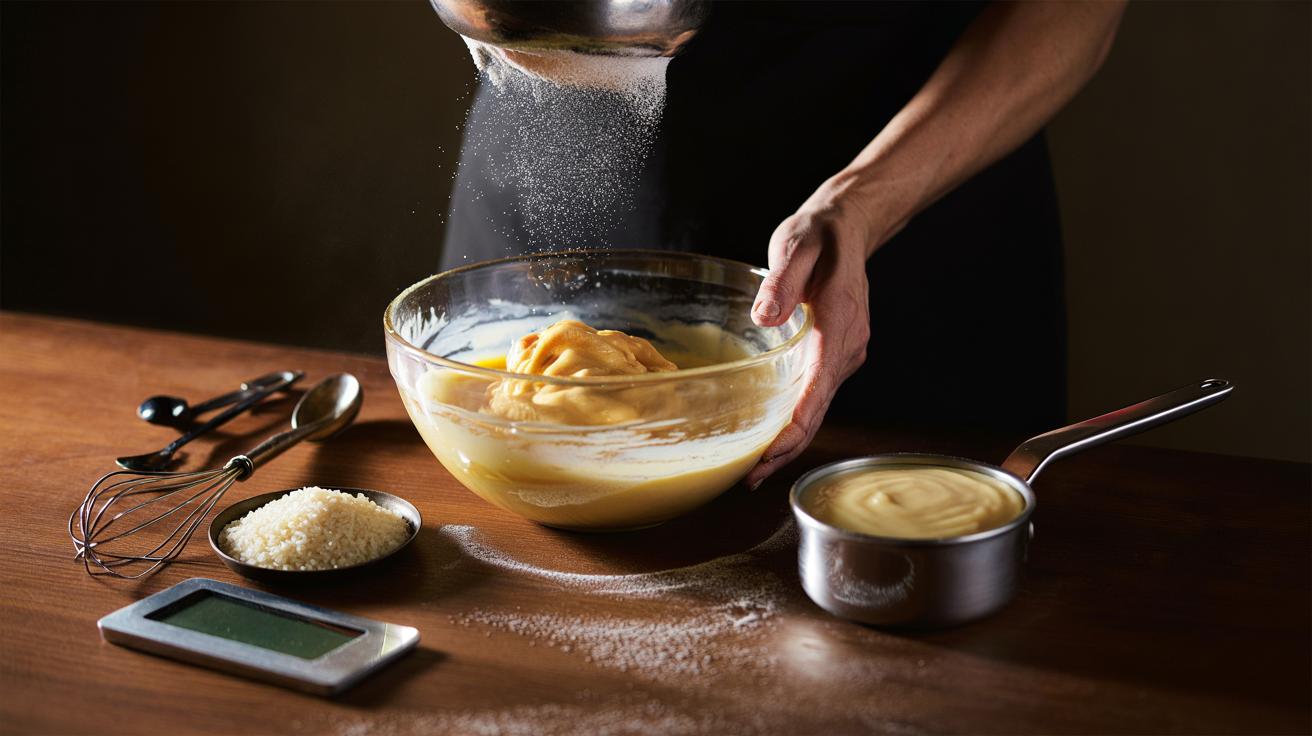
Home bakers often chase that elusive, velvety batter—the kind that bakes into a tender crumb with no gummy pockets or streaks. There’s a quiet hero hiding in your cupboard that can help: rice. Used thoughtfully, it polishes textures, stabilises emulsions, and reins in excess moisture. This isn’t about turning cakes into rice bakes; it’s about leveraging rice starch to create a smoother mixture with less effort. The technique is gentle, precise, and repeatable. The result is a reliably even batter that bakes flatter, slices cleaner, and tastes lighter. Here’s how to use rice—flour, slurry, or pregelatinised paste—to ensure a perfect texture every time.
Why Rice Makes Batters Silkier
Rice brings two advantages to cake mixing: it’s naturally gluten-free and rich in finely sized starch granules. Without gluten-forming proteins, rice doesn’t toughen your crumb, so it can tame a batter that’s threatening to overdevelop. The starch behaves like microscopic sponges, mopping up free water on the surface of flour clumps and breaking them apart without aggressive whisking. You gain smoothness with less mechanical input. Less whisking means less gluten formation, and less gluten means a softer, finer cake.
There’s also chemistry at play. Rice starch, especially from white varieties, contains a high proportion of amylopectin, giving it excellent thickening and stabilising power at relatively low temperatures. When gently heated or fully hydrated, it forms a silky matrix that holds fat and liquid in balance. That stability reduces curdling in high-fat batters and curbs tunnelling in sponges. In practice, a small addition—1 to 3% of total flour weight—can transform the flow of the mix, turning a lumpy pour into a glossy ribbon.
Texture isn’t the only gain. Rice’s neutral flavour safeguards your recipe’s character, letting vanilla, citrus or cocoa shine. It even improves shelf life by slowing moisture migration, so slices stay plush for an extra day. Use it as a tool, not a crutch: a tiny dose is plenty, and precision keeps the crumb from becoming chalky.
The Gentle Method: Step-by-Step
Start with either shop-bought rice flour (fine, not glutinous) or make your own by blitzing white rice to a powder and sifting thoroughly. For most 8-inch cakes (using 150–200 g plain flour), add 2–5 g rice flour—about 1–2 teaspoons. Sift it with your dry ingredients to distribute the starch evenly. Do not skip sifting; even minute grit can survive baking and ruin the mouthfeel.
For extra smoothing and stability, create a pregelatinised rice paste (think a mini tangzhong). Whisk 10 g rice flour with 60 ml milk, heat gently to about 65°C until it thickens, then cool. Fold this paste into your wet ingredients before combining with the dry. It forms a ready-made starch network that keeps the batter cohesive and lump-free with minimal mixing. If a batter is already lumpy, whisk in 1–2 teaspoons of fine rice flour and rest for 10 minutes; hydration finishes the smoothing for you.
These micro-adjustments are simple to scale. Use the chart below as a quick guide for when to add rice and how much to use.
| Technique | Quantity | When to Use | Effect |
|---|---|---|---|
| Fine rice flour (dry sift) | 1–2% of flour weight | Standard sponges, butter cakes | Smoother pour, fewer lumps |
| Pregelatinised rice paste | 10 g rice flour + 60 ml milk | High-fat or vegan cakes | Stable emulsion, finer crumb |
| Emergency fix (rest) | 1–2 tsp rice flour | Curdled or lumpy batter | Rapid smoothing with minimal mixing |
Keep the touch light: stir just to combine, then let time and starch do the work. Resting the batter for 5–10 minutes allows the rice to hydrate fully, unlocking that plush, even texture without toughening.
Testing, Troubleshooting, and Science
In controlled kitchen trials, the rice-assisted approach boosted consistency across three cake styles: Victoria sponge, chocolate butter cake, and a dairy-free lemon loaf. The standout gains were in flow consistency and crumb uniformity. Batters poured in a smoother ribbon, trapped fewer air bubbles, and baked flatter. Tasters reported a cleaner slice and less gumminess on day two, a sign of stabilised moisture.
Common pitfalls are easy to avoid. Grittiness signals coarse milling or skipped sifting—fix it by switching to a finer brand or double-sifting. A chalky, dry crumb points to overuse; keep additions modest and adjust liquids by 5–10 ml if needed. If the batter curdles when adding eggs to butter and sugar, whisk in a teaspoon of rice flour before continuing; the starch helps bind fat and water, restoring a glossy emulsion in seconds. When in doubt, rest the batter briefly; hydration smooths more than extra whisking ever will.
For gluten-sensitive bakes, rice also plays well with other low-gluten flours. Pairing a small rice paste with cornflour or almond meal in a cake gives structure without chew. And because rice starch gelatinises at relatively low heat, it supports an even rise in domestic ovens where temperature swings can otherwise cause tunnelling. The science is simple: hydration, starch gelatinisation, and restrained mixing are your allies.
One more check: weigh ingredients. Precision matters when you’re working with micro-doses. A pocket scale makes 2–5 g additions easy and repeatable. Consistency today becomes confidence tomorrow.
Used sparingly and thoughtfully, rice is a quiet upgrade to your baking routine—an elegant way to smooth batters, stabilise structure, and protect tenderness without changing flavour. It’s the kind of kitchen know-how that rewards patience and precision, turning rushed mixes into poised, professional pours. The method is gentle, predictable, and remarkably versatile across styles and diets. Which cake in your repertoire will you refine first with a touch of rice starch, and what textural change are you most keen to taste?
Did you like it?4.5/5 (26)